

Quick answer: Baby clothes are expensive because soft, safe fabrics cost more, they are made in many sizes and small batches, they must meet child safety standards, and hand details such as smocking take hours of labour. Materials alone often make up about 20 to 40 percent of the cost of a baby clothing item.
Baby clothes are garments made for infants and toddlers, usually from soft, skin-friendly fabrics in many small sizes. Baby clothes are priced by cost per piece, not by fabric used, so a small garment can cost almost as much as an adult one to produce.
Shopping for baby clothes can be both a challenging and enjoyable experience. Children grow so quickly that finding fashionable and stylish outfits they can wear for an extended period can be difficult. Recently, I delved into some high-end kids’ clothing brands and was genuinely surprised by the prices of baby clothes. It makes sense why a tiny pair of Nike shoes might cost as much as adult shoes, despite the fact that children will wear them for only a few months. Typically, baby clothes use less fabric, which should theoretically make them cheaper than adult clothes. However, the reality is more complex.
Here are some reasons why baby clothes can be more expensive than expected:
Why does the production process make baby clothes expensive?
One of the primary reasons why baby clothes are so expensive is due to the meticulous production process. Baby clothing needs to be made from soft, high-quality materials to ensure that a baby’s sensitive skin is not irritated. This requires manufacturers to use skin-friendly fabrics and adhere to stricter safety regulations. These processes increase production costs.
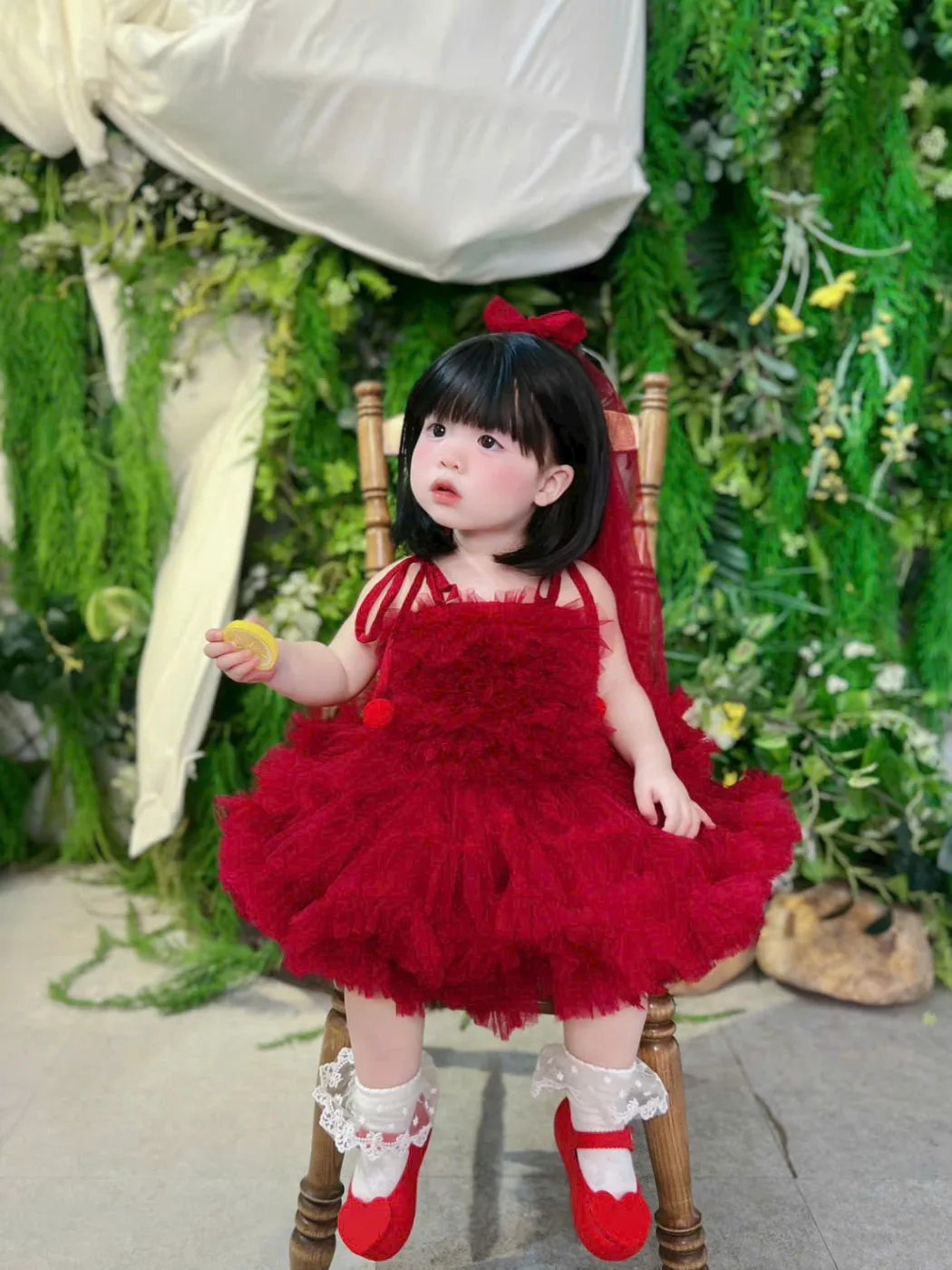
As the founder of Cherrysmock, a company specializing in smocked children’s clothing, I can attest to the fact that we prioritize using high-quality materials and ensuring a rigorous production process. Our products, such as smocked dresses and smocked rompers, are not only aesthetically pleasing but also made from fabrics that are safe and gentle on children’s skin.
How much of the price of baby clothes is fabric?
According to experts, materials account for about 20-40% of the cost of a baby clothing item. For high-end kids’ clothing brands, this figure might be lower, but the emphasis shifts to brand value, which significantly increases the price. Although it seems that using less fabric would lower costs, the overall structure of baby clothes (including design, production, and branding) is comparable to that of adult clothes.
At Cherrysmock, we commit to using the finest materials for our products, from smocked bubbles to smocked bodysuits. This ensures that our items are not only comfortable for children but also worth the investment.
The Cost of a Product: It’s Not Just Fabric
The cost of a clothing item generally consists of three main components: material, sewing time (the salary of the seamstress), and additional materials. Logically, a smaller product should be cheaper due to less fabric used and fewer sewing steps. However, this is not always the case.
For instance, compare a large adult t-shirt to a small baby bodysuit. Sewing the tiny bodysuit often takes more time than making a large t-shirt. Despite using less fabric, the bodysuit requires careful sewing of small details, such as edges, buttons, and other small parts. Sewing these small details, like sleeves and trims, requires a lot of dexterity, precision, and time, which can result in a labor cost for baby clothes that is equal to or even higher than that for adult clothes.

Baby Tested, Mother Approved
Baby clothes, whether purchased online or in-store, are expensive due to their high production costs. As a baby’s skin is very soft and delicate, it needs clothing that meets high standards of care and protection. This vulnerability requires the best protection, and often, expensive clothing is the only type that can offer this. Parents are also very cautious about their babies’ clothing, wanting them to wear the softest and safest garments. Many high-quality fabrics, such as organic cotton, are not cheap. Organic materials tend to be free from harmful chemicals, sourced from sustainable, eco-friendly farms, and are often the result of ethical production practices.
Supply and Demand
The classic law of supply and demand also affects the pricing of baby clothes. Baby clothing is not produced in the same quantities as adult clothes. Although there is a higher demand for adult clothing, baby clothes are produced in smaller quantities, which drives the price up. The scarcity of supply combined with continuous demand from parents creates upward pressure on prices.
Costly Cuteness
The cuteness factor is another reason why baby clothes are so expensive. Adorable little shirts with bows or ruffled dresses often make it hard for parents to resist. Even when baby clothes are pricey, many parents, especially first-time moms and dads, are willing to splurge because they want their children to wear cute outfits. The desire to dress children fashionably and stylishly sometimes outweighs practicality, which continues to drive the baby clothing market. Industry studies predict significant growth in the global baby apparel market, partly due to rising demand for branded apparel and increasing preference for fashionable clothing.
The Emotional Connection of Parenthood
Parenthood is a source of boundless joy, and for many parents, shopping for baby clothes brings great satisfaction. Imagine a mother walking into a store, heading straight to the baby section with miniature shirts, tiny shoes, and cute little hats. Everything looks endearing, and she reaches out to feel the fabric of an adorable onesie. Its softness and comfort make her check the price tag, only to be shocked by how something so tiny can cost so much. Despite this, many parents are willing to spend because shopping for their child is both an emotional experience and a source of gratification. Manufacturers are aware of this emotional connection and price baby clothes accordingly.
How do safety standards raise the cost of baby clothes?
Baby clothes need to comply with strict safety standards, particularly concerning materials and accessories. This is to avoid risks such as skin allergies or choking hazards from small details like buttons or zippers. To meet these standards, manufacturers must invest in safe materials, meticulous design, and thorough product testing, sometimes requiring additional certifications. These regulations not only increase production costs but also significantly raise the final price of baby clothing compared to adult clothes.

In Conclusion
Although baby clothes can be expensive, the most important factor is the health, comfort, and safety of the child. In the end, babies don’t care about what they wear; what matters is that they are happy and comfortable. For parents, no matter what their child is wearing, they will always find their child the cutest!
If you are looking for a high-quality baby clothing wholesaler, consider Cherrysmock. We offer a range of products including smocked dresses, smocked bubbles, smocked two-piece sets, smocked longalls, smocked bodysuits, and smocked rompers. For more information and to place orders, visit our website at Cherrysmock.com.
Factory insight: In hand-smocked baby clothing, the labour, not the fabric, sets the price. A smocked panel can take an artisan several hours, which is why the same dress in size 6 months and size 4T costs nearly the same to make.
Baby clothes at Cherrysmock: key facts
| Fact | Detail |
|---|---|
| Hand smocking | Every smocked piece is hand smocked and hand embroidered by artisans in Vietnam. |
| Ready-to-ship minimum | Ready-to-ship styles start from 10 pieces per design. |
| Group orders | A group order lets several boutiques share one hand-smocked design; it starts from 30 pieces per design and takes about 20 days. |
| Custom designs | A custom design takes about 30 to 35 days and comes with a free 2D mock-up before production. |
| Payment terms | Orders under $1,000 are paid 100% upfront; orders of $1,000 to $5,000 use a 70% deposit and 30% before shipping; orders over $5,000 use 50% and 50%. |
| Transit time | Delivery after dispatch takes about 3 to 4 days to the US or Canada and 4 to 5 days to the UK or Europe. |
| Returns | Serious manufacturing defects can be reported within 7 days of delivery under the return policy; all other sales are final. |
FAQ about baby clothes prices
Are hand-smocked baby clothes worth the price?
Hand smocking takes hours of skilled work per piece, and well-made pieces are often kept and passed down, which is why parents and grandparents pay more for them.
Why do small sizes cost almost as much as large ones?
Most of the cost is labour, trims and quality checks per piece, which stay similar whatever the size.
How do boutiques keep baby clothes prices fair?
By buying in small lots, pricing from landed cost and avoiding deep end-of-season markdowns.
Where are many hand-smocked baby clothes made?
Many are made by artisans in Vietnam and Peru, where hand smocking skills are strong.
Free gift: the Cherrysmock Boutique Planner – landed-cost and pricing formula, days-of-cover stock tracker, season order calendar and 11 short lessons. Get the free planner
Want stock, prices or an order plan for your store? Talk to Jessi and the Cherrysmock team or message us on WhatsApp – we reply within one business day.
Know a boutique owner who needs this? Share it: WhatsApp | Facebook | Email
Keep reading
More guides for boutique owners, picked for you.


Ready-to-ship styles for your boutique
Low MOQ from 10 pcs per style. Ready to ship in 5-7 days.


Tell us your budget and customers. We reply within one business day.
WhatsApp usHow to order