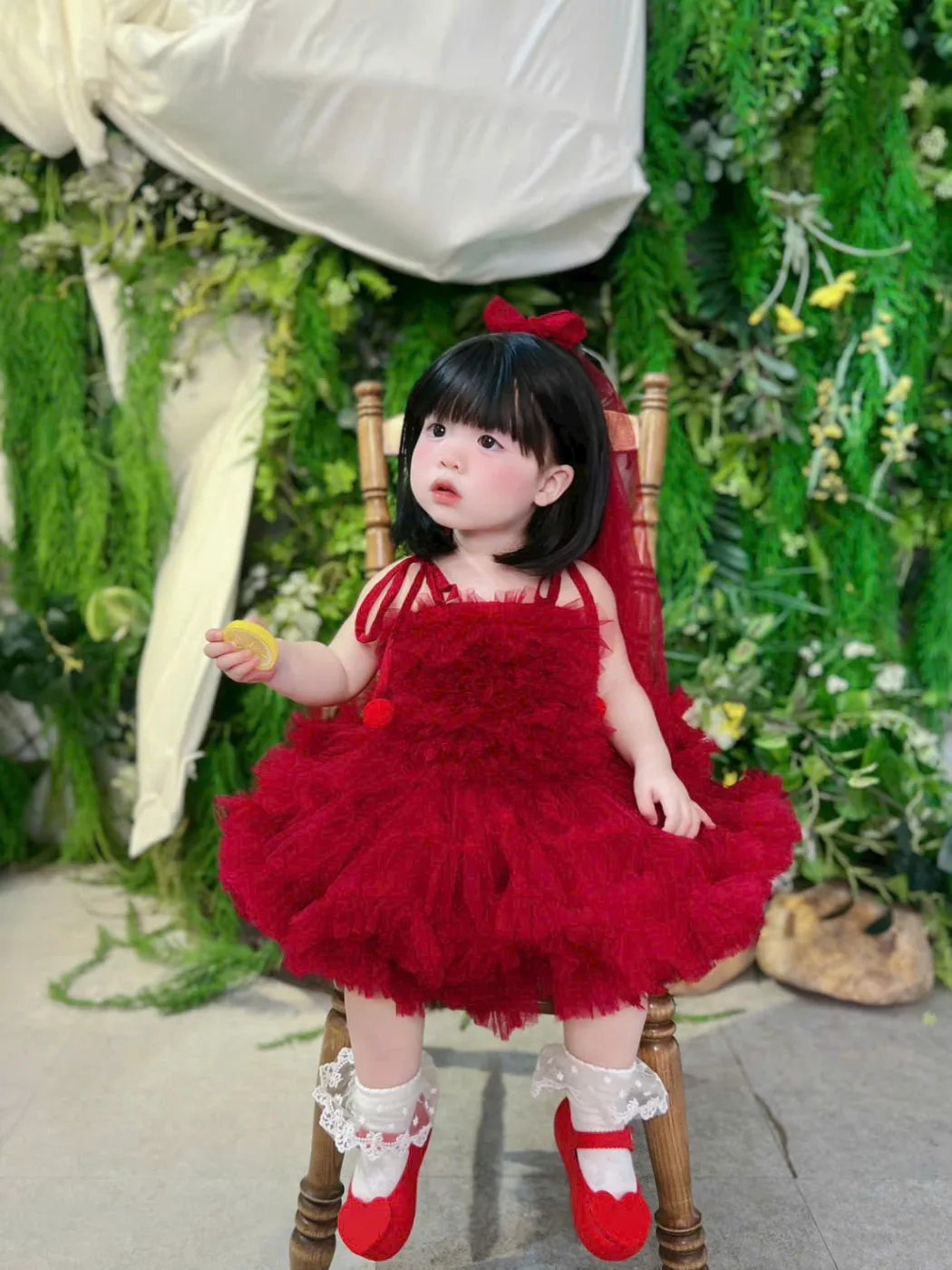


Quick answer: The history of smocking runs from practical work smocks worn by English farm labourers in the 18th and 19th centuries to the decorative hand smocking on children’s dresses today. The word comes from “smock”, a loose working shirt, and the pleats once gave room to move while keeping the garment shaped.
Smocking is an embroidery technique that gathers fabric into small pleats and holds them with decorative stitches so the panel can stretch. The history of smocking is the story of how this technique moved from workwear to fashion and then to children’s clothing.
As an embroidery expert with a deep-rooted passion for textile arts, I’ve been immersed in smocking from a young age. Though often associated with charming children’s clothing today, smocking has a rich history that dates back to the late 15th century. From its origins in simple work garments to its evolution into high-fashion, smocking’s journey through the centuries is both fascinating and transformative. Join me as we explore the history of smocking and its significant role in fashion.

The Early History of Smocking
Smocking, characterized by embroidery on pleated fabric, dates back to the late 15th century. This technique, known as smocked garments, was predominantly applied to smocks, a type of clothing worn by shepherds. These smocks were designed to protect the wearer from tools like the shepherd’s crook and the waggoner’s whip, shielding the shoulders and back from scratches. The fabric used was primarily wool, cotton, or linen, chosen for its durability. Smocking embroidery not only enhanced the aesthetic appeal but also reinforced the fabric.
The practice of using pleated fabric can be traced back to the 12th century BC, with remains found in archaeological digs in Denmark. However, smocked garments as we recognize them began to emerge during the Iron Age, featuring loose-fitting garments reaching down to the knee. The embroidery stitches used included variations of feather stitch, chain stitch, satin stitch, and stem stitch, typically done with linen thread. To make the thread durable and water-resistant, it was often waxed, and needles were also waxed to facilitate stitching through thick fabric.

Where does the word in the history of smocking come from?
The term “smocking” originates from the English garment known as a smock, a loose-fitting shirt worn by both men and women. Historical records suggest that this garment may have existed since the Anglo-Saxon period. For example, the “Luttrell Psalter” (circa 1340) depicts a ploughman wearing a smock. Geoffrey Chaucer also mentions smocks in his work from 1386.
By the late 17th century, the term “smock” was used to describe a new type of garment for men, known as the smock-frock. This garment was cut very full, with smocking embroidery used to control the fullness of the fabric. This period saw the popularity of smocking in workwear for farmers and laborers, with smocks made from sturdy linen and often waxed to enhance durability.
History of Smocking in the 18th and 19th Centuries
During the 18th and 19th centuries, smocking became standard dress for men and boys in rural Southern England and parts of Wales. However, by the end of the 19th century, the rise of industrialization and the introduction of machinery led to a decline in the popularity of smocking for workwear. Factories produced industrial clothing, and many people abandoned smocks as they no longer suited the industrial work environment.
Despite this decline, by the late 19th century, high society began to adopt smocking as a fashion trend. Notable figures like Oscar Wilde and textile artist William Morris were seen wearing smocked garments, helping to revive the technique’s popularity in the fashion world.

How did the history of smocking change in the 20th century?
In the early 20th century, smocking was reintroduced into fashion, particularly in children’s and women’s clothing. In 1887, the first book on smocking was published, offering guidance for middle-class ladies on creating gowns, blouses, and jackets. This period saw a resurgence of smocking embroidery in summer garments and sportswear for women and children.

During the 1920s and 1930s, smocking became extremely popular, especially in collections by Liberty & Co., and smocked children’s clothing became a fashion staple. However, during World War I, while smocking was still used, designs became simpler to meet practical needs.
In the 1940s, new craft magazines highlighted smocking techniques, leading to a renewed interest in the art. In the 1950s, smocking continued to be popular, particularly in children’s clothing, with factories outsourcing smocking to workers. By 1956, the Read Smock Gathering Machine was introduced, making pleating fabric easier with machinery. Smocking dots and templates were also used to aid the process.
In the 1970s, artists began to explore smocking not only in clothing but also in artistic designs. The Smocking Arts Guild of America was founded in 1979 to preserve and promote the art of smocking, and the technique continued to thrive into the 1980s. However, with the decline in sewing education in schools, smocking became less popular.
Where does the history of smocking stand today?
Today, smocking remains cherished, particularly in children’s fashion, thanks to the rise of the internet and a revival of interest in handcrafted garments. Cherrysmock, a producer and wholesaler of hand-smocked clothing based in Vietnam, is dedicated to maintaining and advancing the art of smocking, offering unique and high-quality products to the market. With increasing interest in handcrafted and personalized clothing, smocking has the potential for renewed growth and appreciation in the future.

Final Thoughts on the History of Smocking
Smocking has undergone a long journey from its early days as a traditional embroidery technique to becoming a significant element of modern fashion. The technique is not only a symbol of intricate craftsmanship but also adds elegance and style to garments. Despite numerous changes over time, smocking continues to retain its allure and value in the fashion world, particularly as interest in handcrafted and unique clothing rises.
Factory insight: Hand smocking survives because machines still cannot copy its softness. Every smocked piece we make is pleated and then smocked by hand by artisans in Vietnam, the same basic method used on English smocks two centuries ago.
Hand smocking today at Cherrysmock
| Fact | Detail |
|---|---|
| Hand smocking | Every smocked piece is hand smocked and hand embroidered by artisans in Vietnam. |
| Group orders | A group order lets several boutiques share one hand-smocked design; it starts from 30 pieces per design and takes about 20 days. |
| Custom designs | A custom design takes about 30 to 35 days and comes with a free 2D mock-up before production. |
| Ready-to-ship minimum | Ready-to-ship styles start from 10 pieces per design. |
| Own label | Your own label, hang tag or care label is available from 30 pieces per design. |
| Transit time | Delivery after dispatch takes about 3 to 4 days to the US or Canada and 4 to 5 days to the UK or Europe. |
| Payment terms | Orders under $1,000 are paid 100% upfront; orders of $1,000 to $5,000 use a 70% deposit and 30% before shipping; orders over $5,000 use 50% and 50%. |
FAQ about the history of smocking
Where does the word smocking come from?
From the smock, a loose working shirt worn by English farm labourers, which was decorated and shaped with this pleated stitching.
When did smocking become popular for children?
Smocked dresses and rompers became popular for children in the 20th century, especially in England and the US South.
Is smocking still done by hand?
Yes. Heirloom smocked children’s clothing is still hand smocked, for example by artisans in Vietnam.
What is the difference between smocking and shirring?
Smocking holds pleats with embroidery stitches, while shirring gathers fabric with rows of elastic thread.
Free gift: the Cherrysmock Boutique Planner – landed-cost and pricing formula, days-of-cover stock tracker, season order calendar and 11 short lessons. Get the free planner
Want stock, prices or an order plan for your store? Talk to Jessi and the Cherrysmock team or message us on WhatsApp – we reply within one business day.
Know a boutique owner who needs this? Share it: WhatsApp | Facebook | Email
Keep reading
More guides for boutique owners, picked for you.


Ready-to-ship styles for your boutique
Low MOQ from 10 pcs per style. Ready to ship in 5-7 days.


Tell us your budget and customers. We reply within one business day.
WhatsApp usHow to order